

Are Some Movies Untouchable?
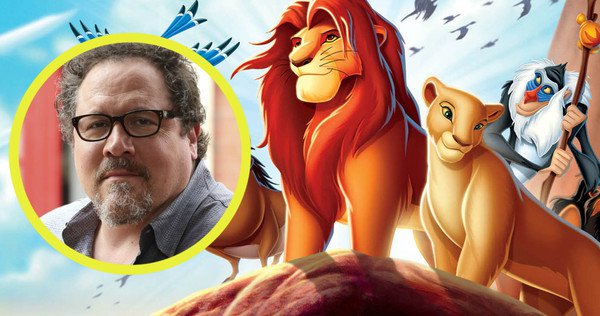
I don’t have a movie review for you today. Instead, I wanted to talk about the most recent news from Disney. Jon Favreau, the director of The Jungle Book, is set to direct a live action style remake of The Lion King.
As many of you may have realized, Disney has been remaking a lot of their classic cartoons into live action films. They’ve done Cinderella, The Sleeping Beauty, and most recently The Jungle Book. And they have scheduled to do Beauty and the Beast, The Little Mermaid, Dumbo, and many others. Although all of these have received their fair share of hatred from fans, The Lion King seems to be getting more attention than any of them.
Why All the Hate?
The Lion King struck a particular chord with people because they are more nostalgic for it than other films. And honestly, for very good reason. The Lion King was released in 1995 when many millennials were still young, it received countless critical acclaim, and the music is beyond iconic. Two of the songs were nominated for an Academy Award and three of them for Golden Globes, with “Can You Feel The Love Tonight” winning both awards. Even the Broadway musical won 6 of the 11 Tony categories it was nominated for. So it’s no wonder that people are a little upset, but should any movie, including The Lion King, be considered untouchable?
Reboots, remakes, sequels and the newly created “rebootquel” are everywhere and are almost completely impossible to avoid. Just in 2016 we have movies like Captain America: Civil War, Alice Through The Looking Glass, Independence Day: Resurgence, Ghostbusters, and most recently The Magnificent Seven just to name a few.
This Trend is Nothing New
Although there has been an increase in these types of movies in recent history, Hollywood is no stranger to reusing a story. In fact, even before movies were established, acting troupes have traveled the world reenacting plays. Some of the most popular ones are written by Shakespeare in the late 1500s and are still being used today. Even with advancements in technology, a majority of troupes still use the same scripts and techniques that were established over 400 years ago. Each time a different actor takes on the role of Hamlet or a school decides to put on Romeo and Juliet it could technically be considered a remake.
Even before Shakespeare, stories have been retold and embellished over time to add more drama. A perfect example is the story of King Arthur. It began around 1133 AD as a story of a great warrior. It wasn’t until 1470 when the story finally contained all the elements of the round table, Merlin, Excalibur, Guinevere, and Lancelot. King Arthur today is almost completely divergent from the original story. But the point is that the story we all know and love today went through nearly 340 years of remakes, sequels, and reboots to come into being. Even in our day the story is continually evolving to include movies such as A Kid in King Arthur’s Court and Guy Ritchies King Arthur: Legend of the Sword.

Generation of Nostalgia
Nostalgia almost completely runs the lives of millennials. Nostalgia usually occurs when we attach a feeling to a certain moment in our life. This is done with everything from toys and smells, to TV shows and movies. One way it can happen is when a family only owns a few movies and the kids watch them multiple times. Or maybe it’s that the movie touched you in a particular way because of what you are going through at the time. No matter what the reason is, we often put nostalgic things on a pedestal whether they deserve it or not.
The “Untouchables”
Many people today have a list of films that they consider untouchable. Some have even gone as far as to write these lists down to express their disdain if these movies were ever remade. Some of these untouchable movies are Ghostbusters, Space Jam, Blade Runner, Back to the Future, and The Lion King just to name a few. Now, I agree that these films are great and hold a special place in my heart, but are they really untouchable? Should they never be remade? No, I don’t think so.
Let me try to break down why I think so.
1) Everyone’s Nostalgia is Different and We All Deserve Our Own
Each generation has a right to connect with different movies. As time pass likes and dislikes change meaning that a movie from 30 years ago doesn’t always appeal to audiences in the same way now. With these changes, why should a studio struggle to make an entirely new property or story when sometimes all that is needed is a little tweaking?
That’s why Jurassic World and Star Wars: The Force Awakens borrow so much from the original movies. Why make something new if a little change can help a new audience discover some of the original magic? So no matter how mad Ghostbusters may have made you feel, there were still little girls that look up to the four leads and love the movie because of them.
Not everyone has time to watch over 100 years of film to see the “best” version. Even then, because tastes change, no matter how good some of the older movies are, they may be seen as boring to modern audiences. Studios can introduce audiences to these wonderful stories through reboots and remakes.
2) New Doesn’t Erase Old
The great thing about all entertainment is that a new version doesn’t erase the old. If you don’t like Terminator: Genisys then go back and watch Terminator 1 and 2. Think that Ghostbusters ruins the franchise? Go back and watch the original. Don’t want to watch Blade Runner 2 when it comes out? No problem. Sit back and watch a younger Harrison Ford at home.
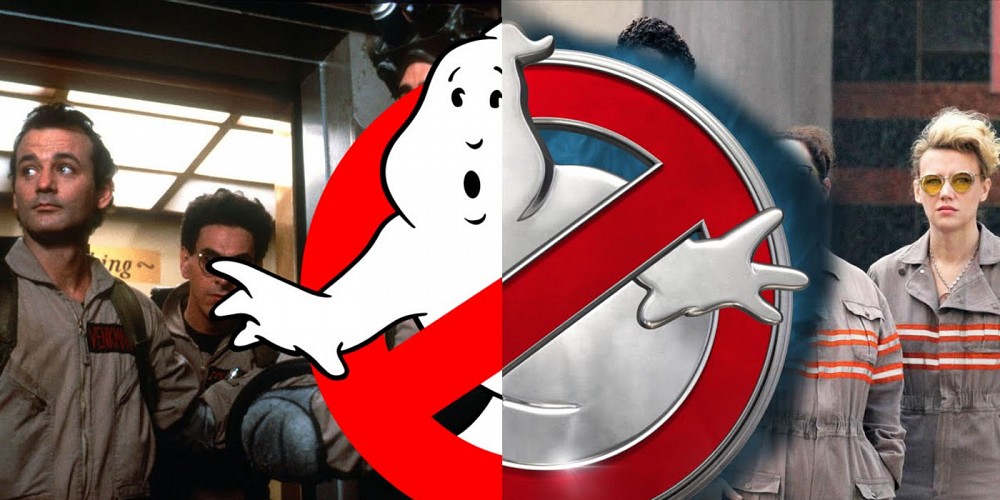
A new version doesn’t take away from your ability to enjoy the originals. Additionally, liking the new doesn’t mean you have to like the originals. Everyone is allowed to like what they like without being ridiculed or belittled.
3) New Movies are a Gateway to the Old
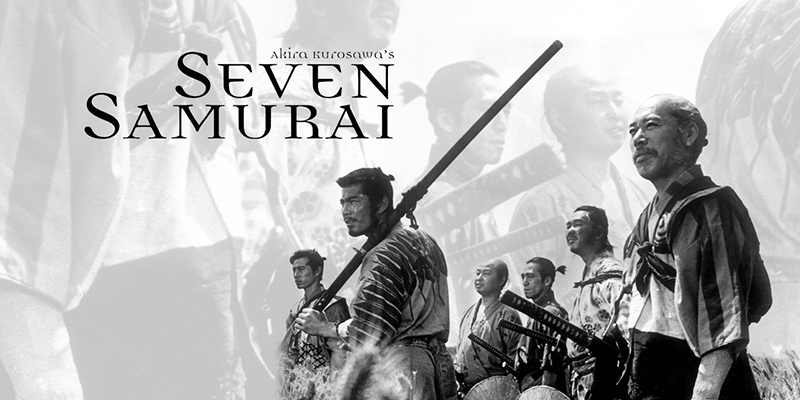
The great thing about a new movie coming out is that it gives audiences the thought to experience something they may not have before. For example, when I heard they were going to remake The Magnificent Seven I realized that I never had the opportunity to see the original from 1960 or the Japanese movie Seven Samurai. So in order to prepare for the newest release I went out and watched both versions. I did this, not to compare, but to have the experience of knowing the roots and honoring what came before. I can honestly say that I thoroughly enjoyed both movies. There were things that I thought were a little slow or boring, but I understand those are products of the time.
Don’t Let Nostalgia Taint the New
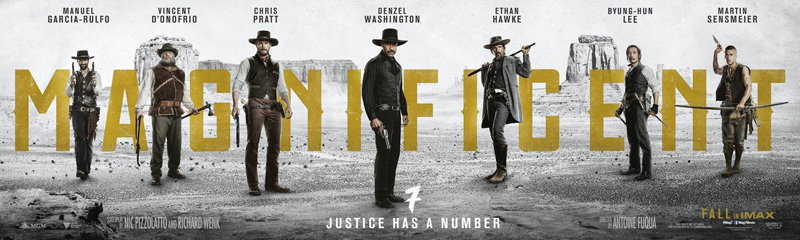
When The Magnificent Seven was released I was amazed at the way it took basic plot beats from the original while updating it for modern audiences. While it has generally positive reviews, most of the negative ones point out the fact that it failed to honor the original. Why are remakes even compared to the original? They have different actors, directors, script, story, and made in a different time. It is essentially a completely different film and should be graded on its own merits rather than what came before.
Conclusion
Nothing is going to stop the Hollywood machine from looking for ways to make money. Technology has vastly improved over what was available even 5 years ago. Which opens a whole new world to re-imagining, remaking, and rebooting. And it is true that they won’t always get it right, but that doesn’t mean they shouldn’t try. These changes aren’t exclusively for you, the nostalgic millennial, they are made for you and new audiences to gather around a screen and be engulfed in a re-imagined world that wouldn’t have been possible until recently. There’s so much good that can come out of sequels, reboots, and remakes. So rather than criticizing the movies before they happen, let’s get behind studios and grade them on the movies they release rather than the movie we are comparing it to.


