

What we do next (2022) Film Review
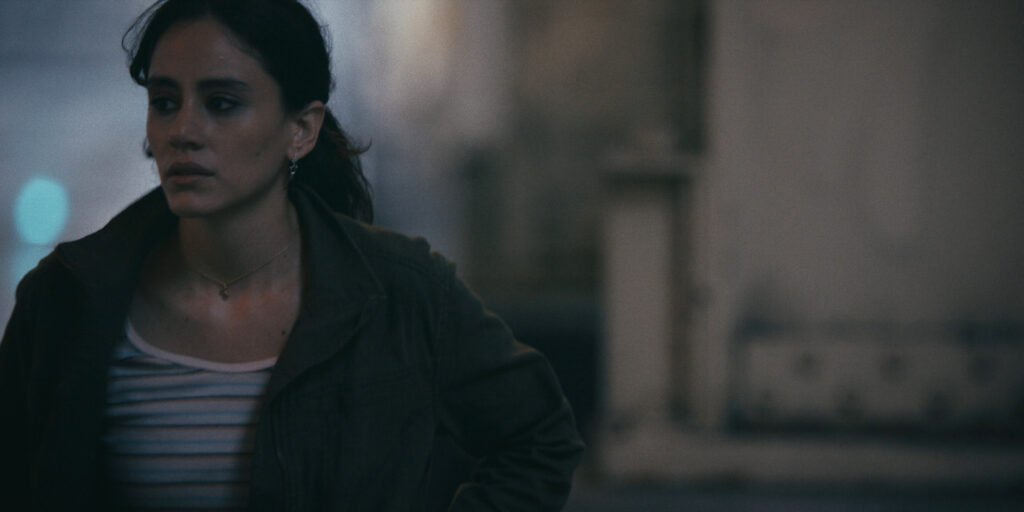
What we do next is a great film.
There’s a reverence to structure in the current film industry that calls for formulas to be present in mainstream productions and in indie cinema, it’s also common. What we do next isn’t like any other film. It confidently changes the mold of the genre we expect, but it doesn’t shy away from staying on its path. Writer/director Stephen Belber makes sure his story isn’t mistaken for something else: this is not only a film about justice. It’s also a film about a simple act becoming a deed when it surpasses the boundaries of your control.
The most recognizable trait that will allow the viewers to see What we do next as a different kind of experience, is that it doesn’t attempt to be anything else than what it actually is.
A film consisting of seven scenes that ultimately runs like a theater play. You will only have seven chances to diagnose a set of characters that don’t follow a certain agenda. They’re products of something you can’t see, and you’re forced to watch them overcome an issue that is far away from their grasp. Belber forces the seven acts to be in one setting. No distractions to make us wander looking up for a reason that can justify the questionable acts of its characters.
I won’t share much of what happens. What we do next starts with a simple advice. Sandy tells a young Elsa to protect herself from an abusive father. She takes it “too far”. Years later, after Elsa is released from prison for killing her father, Sandy is doubtful whether her past will come back to haunt her as she’s now in politics.
Again, this is what you need to know for entering the drama thriller that ends up being What we do next, a reflection of a simple set of words that turn counsel into something much more relevant in criminal justice. You will find yourself thinking over and over about some things you may have said in your past. Think for one minute about the last film that made you do that.
What we do next is a composition of performances in a set of scenes that show the progression (or downfall) of characters sinking deep in a sea of nuances that could be lethal in the world of politics. But as the main character shows in her last scene, there are moments in your life where what you thought was important is a blurred image that will never be clear due to something that’s out of your control.
Karen Pittman plays Sandy James, the politician climbing to a big spot. Pittman dominates every piece of the script, as her character goes above the average performance guided by a set of directions written on paper. The figure at the center of What we do next is revealed in seven stages that call for a different consideration each. The actress connects in each of those stages, even when they require a certain level of maturity and even self-righteousness. Her expression is sharp in every stage of that progression. It’s easy to believe in Sandy James from beginning to end, considering the film runs for only 77 minutes.
And then we have Michelle Veintimilla as Elsa. An already exploded time bomb whose trauma and its result feeds the backbone of the film and allows the important questions to be asked. Veintimilla is a dramatic blow that makes every scene an opportunity to discuss the realism of the situation and not necessarily Elsa’s. It’s not that Elsa’s story is the story of a million women going through the same. It’s that Veintimilla is powerful enough as a performer to make us believe this happens in real life.
The balance between both is Corey Stoll in the role of a lawyer who’s forced to look when a debacle is near. The actor again shows why drama is his best fit. His supporting performance is the one closest to the viewer. The character’s presence is essential as the objective figure in the middle of a moral disaster that can turn into something worse if control isn’t restored soon.
A funny word. Control. Sandy and Paul, the lawyer, appear to be the ones most apt to be in control of the situation. But What we do next is a story that proves that sometimes it’s not in your hands. Or maybe it is, but in this case, you should be careful about what you say.


