

We’re All Going to the World’s Fair (2022) Film Review
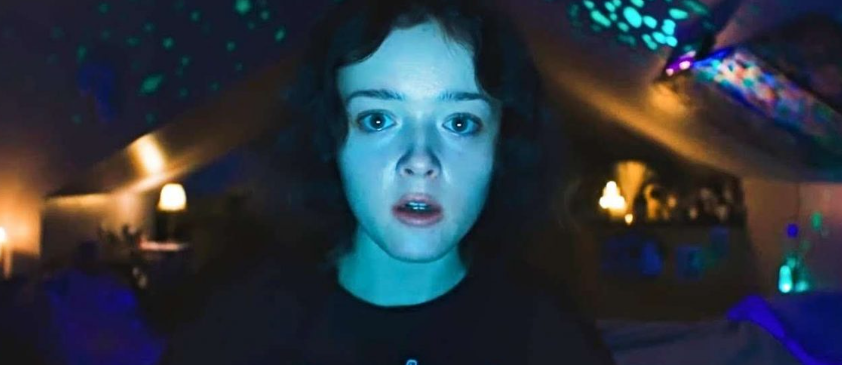
There’s a very interesting story in We’re All Going to the World’s Fair. It profoundly resonates within a conversation about our current relationship with technology and social media, and the consequences of the lack of control this culture is associated with. However, this story is found very deep inside an already cryptic film that doesn’t attempt to move in the same rhythm of other genre films.
Jane Schoenbrun has created a world that doesn’t call for lazy exploring. It’s an organic and extreme rendering of the effect social networks are capable of causing. And yes, I don’t think Schoenbrun intended things to be easy for viewers. Should we respect that? Absolutely. But We’re All Going to the World’s Fair isn’t a film for everyone.
This isn’t bad of course. We’re just used to films being an open window to known worlds and when that doesn’t happen, we can confuse an artistic decision with lack of talent. In We’re All Going to the World’s Fair, things seem to be random, but they aren’t. They’re anything but random. We’re watching a teenager’s life being broken apart by… something. And it’s not up to us to analyze what’s on the other side of the struggle. We always like to talk about control in technology environments that could function as toxic for the vulnerable parts of the population, but sometimes it’s simply too late.
In We’re All Going to the World’s Fair, Casey is a lonely teenager whose awkwardness seems to fade away when she’s in front of the computer. Only not. Her connection with the Internet isn’t the cure for her shy behavior. Casey decides to enter the viral “World’s Fair Challenge”, and takes the first steps. It’s only a horrific display of conduct that hints at the results of one of many challenges available online.
Casey complies. She just keeps going in. She doesn’t even stop when a mysterious man decides to help her and explain to her about strange behavior Casey isn’t in control of. What she’s aiming for is a mystery. One that lies in the deepest recesses of the Internet.
The film appears to go nowhere with its definitive story line in the third act. Yet Schoeburn drifts away from a traditional style of storytelling and grounds the movie when it needs to conclude. This is horror because of how it feels like and because of a powerful and raw aesthetic that makes your skin crawl. But there is more beyond a first glance. Nevertheless, when We’re All Going to the World’s Fair concludes it shifts its focus intentionally. It’s a decisive move by a creative team who are convinced this dramatic checkpoint is relevant in the film’s formula. It’s something I didn’t connect with. But I can understand the reason behind such a decision.
Again, We’re All Going to the World’s Fair isn’t a film for everyone. Not because it looks experimental or anything, but because the real story it tells isn’t as exploitative as other films portray these kinds of situations. Schoeburn has created a unique film which can’t be compared to its peers because there aren’t any. It lies lonely in a cultural landscape of mystery, technology and existential chaos.


