

The Stanford Prison Experiment (2015) Film Review
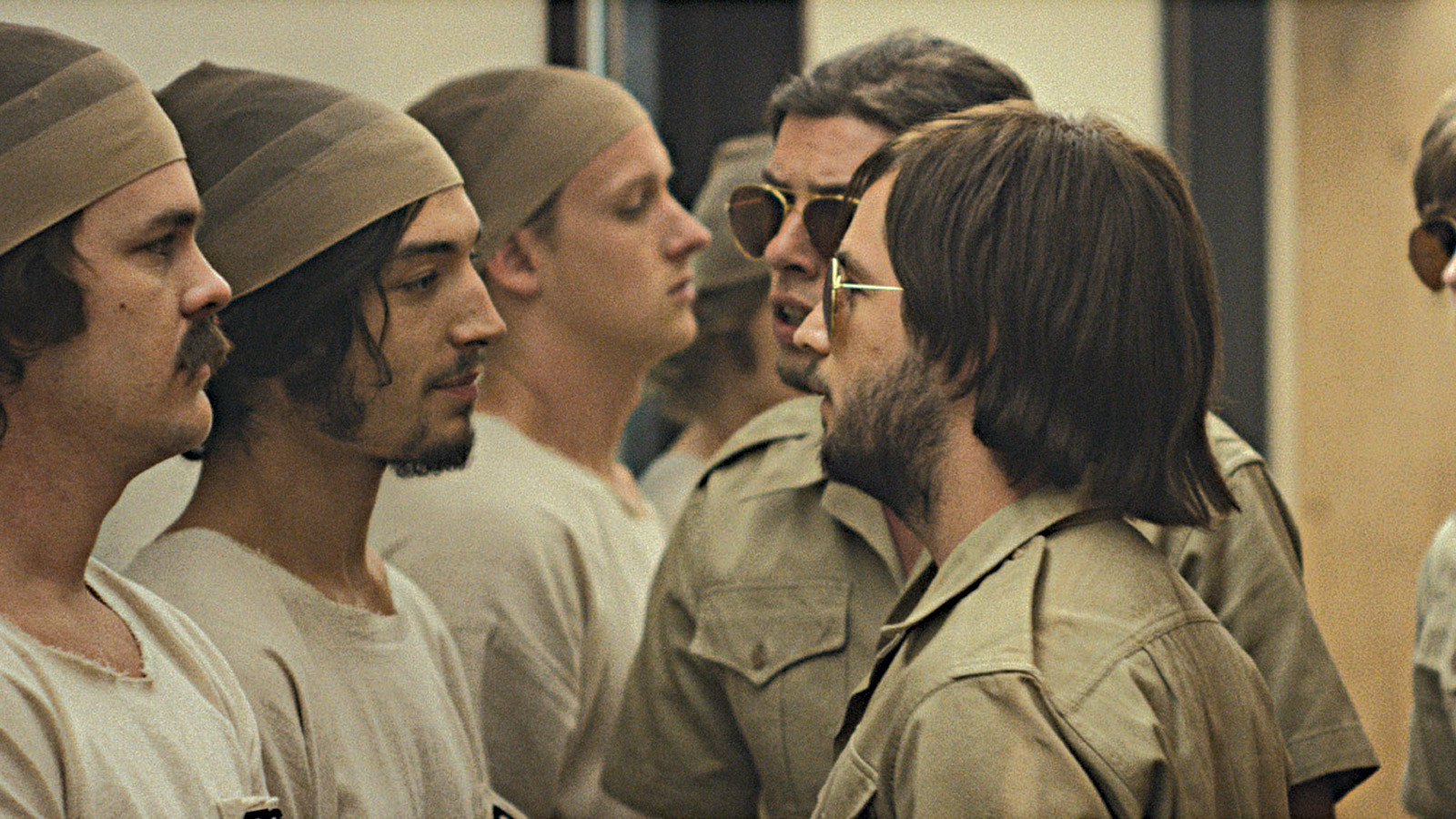
The world famous psychology experiment we read about in college has finally made it on the big screen! As a neuropsychology major in college, I’ve been learning about the Stanford Prison Experiment twice a year for about four years – five if you include my high school AP Psych class. I had very high expectations for the ground-breaking true story about the darkness of human nature. By flipping a coin, Dr. Phillip Zimbardo chose 25 Stanford college students and assigned them to roles of either prisoner or guard. The experiment was set to last for 2 weeks, but instead was shut down after just 6 days. The guards began taking their roles a little too seriously.
The film uses an “in medias res” style of filming, sweeping you into the action and carrying you through to the end. Crucial use is made of every minute, down to the opening credits and their clever incorporation of the ads posted around campus. Still, the movie itself is boring. It may be unfair to say so though, because it’s hard to imagine what could have been done differently without sacrificing the truths of the story.
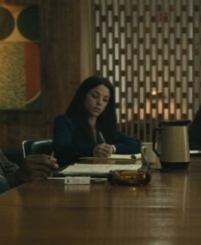
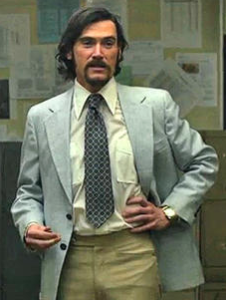
We are greeted with Billy Crudup as Dr. Phillip Zimbardo, who ably plays the no-nonsense psychologist but delivers virtually no other shades of his personality. The character comes across emotionless and flat; we don’t like him. Even when we are supposed to be on his side, for example, in scenes where he’s trying to convince everyone he’s doing “a good thing,” we still don’t like him. Unfortunately, Zimbardo’s character dominates the script, so we are left with his one-dimensional, confusing displays of emotion right up until he cancels his experiment — where yet again, we can’t quite figure out how he feels (mad? sad? happy?) Crudup is capably balanced by his on-screen fiancé, Olivia Thirlby. Thirlby plays Dr. Chrstina Malsach and is a welcome face amongst the dreary, all-male cast. Her inner thoughts are easily read, unlike her co-star’s, and we’re able to tell exactly when she’s intrigued, as well as disgusted with her husband-to-be.
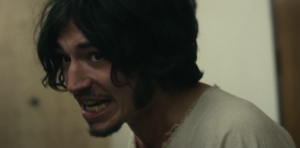
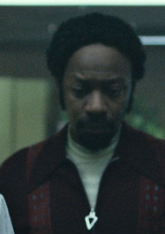
Ezra Miller is Prisoner 8612, the rebellious one that ends up leaving. Miller nails his opening scene and stands out until his exit, though at times he’s incredibly over-the-top. Two lines in particular — “Don’t you know?” which he cries out from inside ‘the hole,’ and “They won’t let us leave, “also tearfully shouted — will make your skin crawl. Nelsan Ellis is Jesse Fletcher and the film’s hidden gem. As one of the experiment’s administrators, Ellis gets carried away with his authority and becomes aggressive with the prisoners. Even though the scenes where he loses his temper are short, he’s still more intimidating than any of the guards. The other prisoners were exceptional, very convincing — aside from the one that repeatedly asks for vitamins.
More character background may have helped the viewer understand exactly how both prisoner and guard began internalizing their roles. Instead, the film focuses entirely on the experiment, so the slip into total submission seems sudden. What should have been a gradual, strengthening commitment to their roles instead appears unbelievable. This is indicative of where the movie’s interpretation of the experiment fell short. To achieve the true shock and awe that was driven out by the Stanford Prison Experiment, we would have to really understand how this happened on an individual level: thought by thought and story by story. Which guards were aggressive before being in a position of power? Why exactly were the confident prisoners reduced to crumbs in a meager 6 days? More backstory would have made these test subjects’ actions relatable. We get a good amount of Zimbardo’s personal story, but almost none of the prisoners’ aside from their short interviews. They nail character backstory with Prisoner #2093, who refuses to curse but remains mindlessly obedient otherwise.
At the end of a film, I always ask myself: if this movie was playing on a random channel, would I stop and watch it again? In this case, the answer is no — I’d rather see what else is on before I settle for this.


