

The Lobster: Film Review
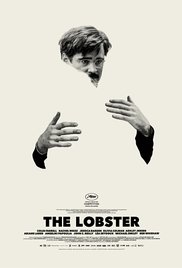
Every once in a while a movie comes out that simultaneously entertains us and challenges us to think more deeply about our ways of life. The Lobster clearly has aspirations to be a film of this caliber and, for the most part, succeeds in doing so.
The film itself is set in a dystopian society, in which all people are expected to have a “partner” in life, and if they ever lose their partner (by divorce, sickness, murder, etc.) they must go to a “hotel” for 45 days to find a new one. If by the end of their stay at the hotel they still cannot find a new partner, they are required to select an animal of their choosing (“most people choose dog”) to be turned into. Those who refuse to select an animal end up living in the woods apart from society to remain celibate and in hiding for the rest of their lives.
Colin Farrell plays David, the only named human in the entire movie, and the main character. David has just had his wife leave him and begins his stay at the hotel to find a new partner. When asked at the beginning of the film what animal he would like to become should he not be able to find a new partner at the end of his stay, David chooses (as you may have suspected) to be a lobster. This begins our quirky, and strangely philosophical, journey with The Lobster.
The Lobster ends up being an incredibly unique film, and for a good portion of it one can say it’s near perfect. This changes however in the film’s final act. What starts as a compelling metaphorical satire of a dystopian near-future, ends up finishing somewhat abruptly, and becomes a strange, seemingly forced version of a love story. This isn’t to say that the love story itself is bad, it just seems like the director changed their mind halfway through production on what their final message was supposed to be.
This being said, we still have a film that is superbly filmed and acted. Colin Farrell leads this in one of his signature quirky roles that seem to be his biggest forte (see Seven Psychopaths and In Bruges for other Farrell hits). The other strongest role in the film is Rachel Weisz’s character, who serves as narrator until her in-person reveal about halfway through the film. On top of this, the cinematography of Ireland was beautiful, even in the grey and gloomy color scale that exists throughout the entire movie.
Overall, The Lobster ends up being a structurally sound, and beautifully shot film that provides a significant amount of thought provoking ideas, even if it stumbles a little bit towards its final push.


