

The End of Blindness (2021) Film Review
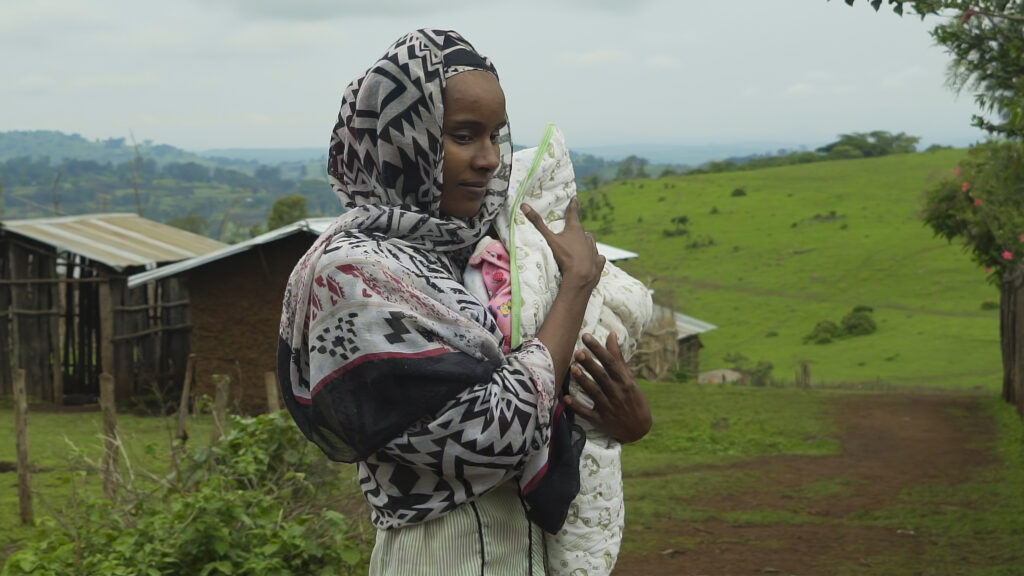
Film allows you to visualize heroes you’ve only thought of.
Some wear capes and save the world. Through these universes of absolute fiction, you can escape the dark reality you’re inherently part of. A real world in which evil is a match for the horrific acts of villains that wear masks.
And sometimes film allows you to meet the real life heroes. They’re the entryway for getting acquainted with the grounded side of consideration, the first step towards admiration and getting in touch with benevolence.
The End of Blindness isn’t a revealing documentary. It isn’t an explosive for showing evidence of a harsh reality. Instead, it’s a film that must play during the aftermath of a storm that’s dormant and always causing a terrible effect. It’s also a film for disclosing the real face of heroism in the event of tragedy. These are the real heroes we should talk about and praise.
The film The End of Blindness tells the story of Dr. Samuel Bora, an ophthalmologist who has decided to make a change in Ethiopia. More than 3 millions suffer from blindness in the African country and this doctor performs surgery for those who need it. He has dedicated his life to cure the blind by serving as a surgeon in the operating room, and by applying techniques almost no one uses to the day.
Through full immersion in the process, the film puts us beside the crisis and drives you to live it through a feeling of optimism that’s seldom seen in this kind of documentary. It’s inevitable to feel ourselves in the presence of a man who’s easily the most important player in a game that goes beyond the boundaries of natural causes. And this is where the film cleverly stays unbiased in the case of other factors that also may play a role in this battle.
It’s a film that drives to see the good and not much else. Let’s take for example an endearing scene in which Bora spends a few minutes with his own family: the dynamics are absolutely different than any we can imagine. It’s a nucleus in which grudges are inexistent, and society roles are clear from the beginning. Bora’s part regards being cold in the face of crisis, but not because of ethics in his workfield. Limits are more physical and time-related. There isn’t a single moment in which we doubt his capacity and dedication. His family understands this as well. It’s a gorgeous sight that gives us permission to enter the home of a man who should be an example for everyone, and yet he’s as human as you and I are.
Nevertheless, The End of Blindness plays like a summarized version of something that’s got plenty more to reveal. But that’s alright. It’s a documentary that should be the way it actually is, without digging deep into tradition and only staying on the surface of a social crisis.
If there is one thing to extract from the experience, it would be hope for me. Pure hope in the face of a species that plays dangerous games and hasn’t dared to fully explore the territories of compassion and selfless generosity. Some films drive you to dream about loud battles between good and evil, and some of them are like The End of Blindness.
Guess which one should be more important? That’s right.


Love it! Love it! Love it! Love this movie.