

JazzTown (2023) Film Review
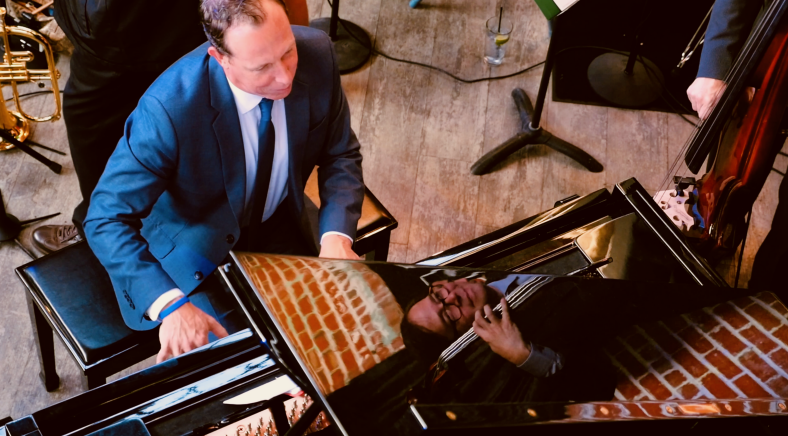
The opening shot of Ben Makinen‘s JazzTown is the most suitable one the director could have come up in order to get the viewer in the mood for his film: if you’re not familiar with the sound of musical instruments, it’s hard to recognize the one that makes the first sound. It’s haunting, mysterious, almost translating the feeling that you can get with the constantly broken limits of jazz music. A camera shows us a huge city that we’re diving slowly into, and of course, to the sound of a jazzy intro that can only mean the ride will be exciting. The resonance from the first instrument is still making your bones vibrate. We’re in Denver, Colorado, and this is an underground society where a beautiful style of music is recreated on a daily basis.
JazzTown is a great journey through the insides of a city that knows its jazz. However, it’s not the most popular genre in music, and few people actually get it. Fortunately, Makinen doesn’t go for a music lesson. This is more about the history of jazz in Denver, and the few people that remain that represent the true essence of the complicated music genre. As hard to listen as people say, films like JazzTown work like introduction pieces to a world where you can find something you can’t imagine. That’s the thing with jazz: it represents something different for everyone.
Makinen’s supercut of the trip down the jazz scene is full of testimonies by figures that are essential to the world we’re exploring. It gets a bit repetitive, but it manages to stay fresh. The director’s approach is not making a film that works by itself. There’s a story here, that becomes very clear when Makinen decides to land, and tell a story about the mechanisms of jazz today. He asks the right questions and he gets the proper answers: it’s not that the genre is dying. But every day more people disconnect from the cultural landmarks that formed our current society. Jazz is suffering from the invasion of artificial art that’s taking place today and gets stronger every day. In a very endearing note, one of the interviewed musicians says he wishes jazz would go back to being more about dancing and not so much about listening.
On that note, JazzTown does a great job out of eliminating an stigma about jazz. This isn’t a genre that’s only suited for people who actually understand it completely. The documentary isn’t divisive in this regard and accomplishes that union between those who usually listen to it, to those that are only discovering. As another musician puts it: this is supposed to bring people together.
JazzTown ends with a melancholic note. The beginning was so mysterious, it became instantly interesting. But after Makinen makes a great point about the current status of jazz and its musicians, he decides to incorporate the personality of the music genre to the resolution of the film. Jazz has the ability to represent sorrow, heartbreak and darkness. I may be pushing for the stereotype but musical expression has a different effect on anyone, and for me, there’s no better way to end the film than to recognize the spirit of such a multilayered style of music.


