

Still Life – A Short Film Review
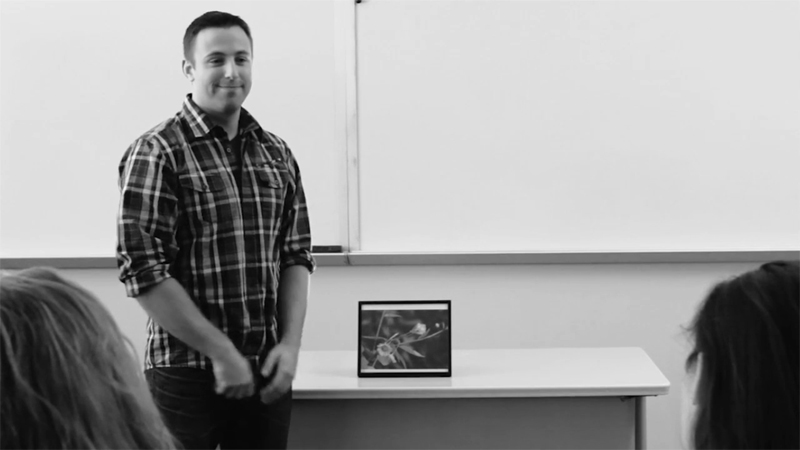
Still Life is not just a short drama, it is a captivating look into the mind of a young creative talent. This short gives us an interesting look inside the mind of a young creative photographer struggling with criticism.
What’s It All About?
“Still Life” is an 11 minute drama about a photography student that struggles with his thoughts about his creativity and talent. Based on a quote by Ira Glass and on the personal experiences of Writer/Director Chris Esper. A story about what it means to be an artist.
My Opinion
Criticism is something we come across everyday and everyone reacts to it in different ways. Having a creative mind means you have your own opinions of what is good and what is bad, this is what makes you unique. It also makes any subject matter subjective to that individuals own opinion. Let’s face it, at the end of the day if everyone had the same opinions in the world there would be no creativity.
So, now I have got that out of the way, lets look at the story of this short about Martin, a young photographer. I really liked the journey Martin takes in this film. Martin is struggling to take criticism on board and learn from it. He sees criticism as nothing more than a negative, and it gets him down. I am sure this is something everyone can appreciate and have experienced at one time or another, this makes it easy for the audience to relate to.
I enjoyed where this story goes and how Martin looks back to his childhood memories of taking photos, maybe for the first time, and remembering how he fell in love with taking pictures. This memory is used to inspire himself, pick his chin up and go back out there and take more photos, enjoying what he is does.
I think this message about understanding criticism, taking it on board and using it to your advantage is a great message. Everyone has taken criticism at some point in their life so it is very easy to relate to the material and the main character in the short. Writer, director and producer Chris Esper does a great job of putting that message across in his film. Martin clearly has a learning experience and begins to understand how to take criticism and take it on board.
The cinematography in the short is very good. We have some nice shots and close ups with very clean editing. There are some shots that just seem to hold that extra second longer to ponder on the characters and the events playing out on-screen, nothing is rushed and these moments of stillness really add something extra, almost like a photograph capturing the moment in the scene. I think Chris has paced the short very well. We have three acts clearly laid out, each given an equal amount of time to build and delivering what it needs to the audience. This is a very simple formula done very well.
This is the second film I have seen from Chris Esper and I have noticed something he does extremely well in films. His opening credits always do an excellent job of introducing us to his characters and setting. While the credits roll on this short film we are shown Martin taking photos and then developing them. This does not necessarily bring something extra to the story but it is just a fantastic way to introduce the characters and the setting in a very subtle way. It sets the scene for the film very nicely.
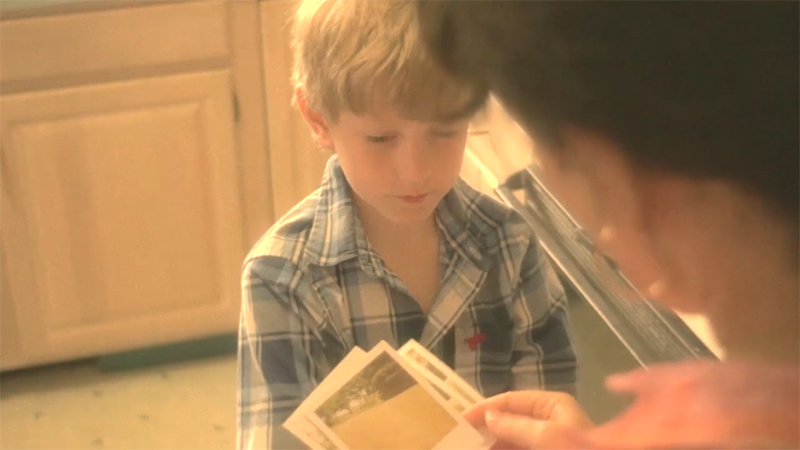
I want to applaud Chris for trying something new. A lot of filmmakers always go the safe route which is not a bad thing, but the only way to create something new is to try something different. This is exactly what Chris has done in the visual representation of the film. The short is presented in black and white, which is nothing new, but what is interesting is that the flashbacks of our main character are in color. I found this a very bold move to attempt. Unfortunately, I don’t think this quite works out too well, I feel as though switching to color in this way is a little confusing for the viewer as black and white would normally represent a flashback or memory. I feel the switch to the color for a flashback threw me out a little, almost as if someone had switched the tv channel to a completely different show. I would like to commend Chris for being brave enough to try something new and make his short stand out. I liked the idea of what he did but maybe presenting it in a slightly different way. Showing the old shots that he had done as a child in color while leaving the rest in black and white, or filtering the flashback slightly? However these are only my opinions.
The short did have one or two sound issues. I couldn’t quite tell if this was to do with the recording device used or if it was a problem with the levels but the audio was a little poor at times. Some scenes are fine and the sound is perfect but others do suffer somewhat. The voices still match the actors which is always good but the sound coming out of their mouths is not the greatest. Fortunately this doesn’t take anything away from the enjoyment of the story.
I also wanted to mention the score. This was a fantastic piece of music that really complimented the film. Ryan Campos was the man responsible and did an excellent job. Getting the tone of the film just about perfect really helps to build an excellent atmosphere.
Notable Performances
Tim Bonavita played Martin. I really liked Tim’s performance. He seemed to be able to switch between the happy-go-lucky Martin who loved to talk about his photos, to the miserable, sulky Martin who didn’t enjoy the constructive criticism he was getting for his work. His ability to instantly change and express his feelings were a necessity in this short and he did it very well. He did a great job of showing his internal struggle.
The Verdict
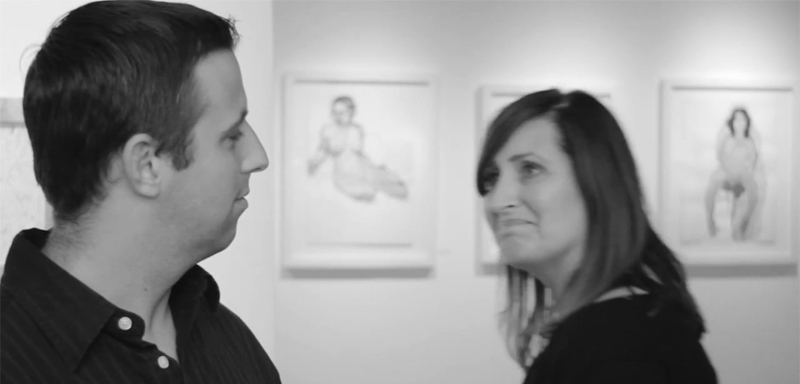
Despite one or two technical issues with regards to the sound Chris Esper has delivered a creatively inspiring short. Its clean finish and polished editing make this very easy to watch and enjoy. Chris flexes his filmmaking muscles and gives us a great inspirational piece.


